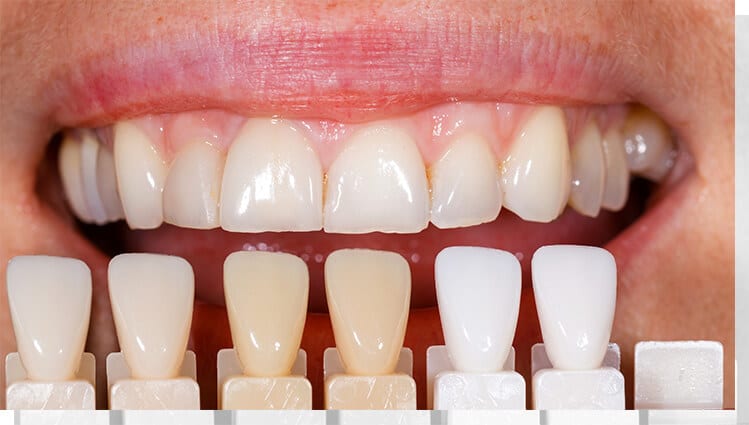
Veneers are widely regarded as a reliable solution for chipped, discoloured, or uneven teeth. In London, demand for cosmetic treatments continues to rise as patients seek durable and natural-looking improvements to their smiles. Yet despite their popularity and high success rate, veneers can and do fail. When they do, the causes are usually preventable.
Understanding why veneers fail is not simply about protecting an investment. It is about safeguarding long-term oral health, avoiding repeat procedures, and ensuring that aesthetic improvements do not compromise the underlying tooth structure.
According to Dr. Sahil Patel of MaryleboneSmileClinic veneer longevity begins long before bonding takes place. He explains that patients should ensure a thorough clinical assessment is carried out to identify bite issues, gum health concerns, or enamel weaknesses that may undermine results. He advises prospective patients to review a dentist’s credentials and case portfolio carefully; to see examples of comprehensive cosmetic assessments and aftercare guidance, patients can visit their website for further details on what a full veneer consultation should involve. Proper planning, he notes, reduces the risk of early failure more than any single technical step. Patients researching veneers London services often focus on appearance and cost, but experienced clinicians emphasise preparation, diagnosis, and maintenance just as strongly.
With that in mind, the following sections outline the six most common reasons veneers fail in London practices and what both patients and dentists can do to prevent problems.
Inadequate Assessment and Treatment Planning
One of the most significant causes of veneer failure is insufficient pre-treatment assessment. Veneers are not a universal solution for every aesthetic concern. If a patient presents with untreated decay, active gum disease, or structural weaknesses, placing veneers without first addressing these conditions can lead to rapid complications.
London cosmetic dentists frequently report that rushed planning is a major contributor to premature debonding or sensitivity. A comprehensive evaluation should include digital imaging, bite analysis, and a discussion of lifestyle habits. Where tooth grinding or clenching is present, for example, protective strategies must be implemented before cosmetic work proceeds.
Another overlooked factor is enamel thickness. Veneers bond most effectively to enamel rather than dentine. If excessive tooth preparation is required or enamel is already compromised, long-term adhesion may suffer. Proper case selection ensures veneers are placed only when structural conditions are favourable.
In busy urban clinics, time pressures can occasionally reduce consultation depth. However, careful diagnostic groundwork remains essential. Treatment planning should consider long-term oral stability, not simply immediate visual improvement. When dentists invest sufficient time in assessment, the risk of future failure drops considerably.
Patients can contribute by disclosing medical history, medication use, and habits such as smoking or bruxism. Transparency allows clinicians to tailor treatment safely. Veneers should always be the result of collaboration, not a quick cosmetic fix.
Poor Bonding Technique or Laboratory Errors
The success of veneers depends heavily on the precision of bonding and laboratory fabrication. Even minor deviations during these stages can compromise longevity. Bonding involves meticulous surface preparation, moisture control, and correct adhesive application. Contamination from saliva or improper curing can weaken the bond between veneer and tooth.
Laboratory craftsmanship is equally critical. Veneers must fit precisely at the margins to prevent microleakage, where bacteria infiltrate beneath the restoration. Poorly fitting veneers increase the risk of decay, staining, and gum irritation. In London, where many practices work with specialist dental laboratories, communication between clinician and technician is central to achieving an accurate fit.
Temperature and humidity can also influence bonding success. Cosmetic dentists operating in high-volume settings must maintain strict clinical protocols to ensure consistency. Failure to isolate the working field properly, even briefly, may reduce adhesion strength.
Patients rarely see these technical aspects, yet they play a decisive role in outcome. Selecting a reputable practice with documented experience in veneer placement reduces the likelihood of technical errors. Cost-driven decisions sometimes lead patients to choose providers without advanced cosmetic training, which may increase the risk of suboptimal bonding.
Ultimately, veneers are only as reliable as the systems supporting them. Precision at every stage, from impression-taking to final cementation, protects against avoidable failure.
Bruxism and Bite-Related Stress
Excessive bite force is another common reason veneers fail. Bruxism, characterised by grinding or clenching teeth, places significant stress on ceramic restorations. Over time, this pressure can lead to cracks, chipping, or complete debonding.
In London’s fast-paced environment, stress-related grinding is frequently reported. Many patients are unaware they grind their teeth until damage appears. Cosmetic dentists often identify flattened enamel surfaces or muscle tenderness during examination. Without addressing these underlying forces, veneers remain vulnerable.
Occlusion, or the way teeth meet, also affects durability. If veneers are not integrated properly into the patient’s bite, they may absorb disproportionate force during chewing. Even slight imbalances can accelerate wear. Adjustments during placement are therefore crucial.
Protective night guards are commonly recommended for patients with bruxism. These custom-made appliances distribute pressure evenly and shield veneers from direct impact. However, compliance is essential; a night guard offers no benefit if left unused.
In some cases, orthodontic treatment may be advised before veneers to correct alignment issues contributing to stress concentration. While this may extend treatment time, it often improves long-term stability.
Managing bite-related risk is a shared responsibility. Dentists must conduct thorough occlusal analysis, and patients must adhere to protective recommendations. When bite forces are properly controlled, veneers can withstand daily function for many years.
Gum Recession and Periodontal Issues
Healthy gums form the foundation of successful veneer treatment. When gum recession or periodontal disease is present, veneers may appear unnatural over time or become exposed at the margins. This not only affects aesthetics but also increases susceptibility to bacterial infiltration.
In London practices, clinicians emphasise stabilising gum health before cosmetic procedures. Inflammation around veneer margins can develop if plaque control is inadequate. Once gums recede, the darker root surface may become visible, altering the intended cosmetic result.
Smoking, which remains a contributing factor in many oral health conditions, can exacerbate gum problems. Reduced blood flow impairs healing and increases the likelihood of complications. Patients considering veneers should understand that lifestyle factors influence outcomes significantly.
Routine hygiene appointments are vital after veneer placement. Professional cleaning reduces plaque accumulation around margins, preserving both gum health and restoration integrity. Neglecting maintenance often leads to gradual deterioration rather than sudden failure.
Gum recession can also occur naturally with age. While veneers themselves do not cause recession when properly placed, thin gum biotypes may be more prone to changes over time. Experienced cosmetic dentists assess tissue stability during consultation and discuss realistic expectations.
Aesthetic dentistry cannot be separated from periodontal care. Maintaining strong, healthy gums ensures veneers remain visually seamless and structurally secure for longer.
Trauma and Accidental Damage
Physical trauma remains an unpredictable but significant cause of veneer failure. Accidental impacts during sports, falls, or even biting unexpectedly hard objects can fracture ceramic restorations. Although veneers are durable, they are not indestructible.
London residents with active lifestyles may be particularly at risk. Contact sports without protective mouthguards increase the likelihood of damage. Even non-sporting incidents, such as slipping on wet pavements or sudden collisions in crowded spaces, can result in dental injury.
The type of ceramic used influences resilience. Modern materials such as lithium disilicate offer improved strength, yet no material can fully withstand high-impact trauma. When fractures occur, repair options vary depending on severity. Minor chips may be polished or bonded, but extensive cracks typically require replacement.
Patients should be advised to wear custom mouthguards during sports and avoid using teeth as tools to open packaging. These habits, though seemingly minor, contribute to veneer longevity.
Insurance coverage is another consideration. Cosmetic procedures are not always fully covered under standard dental plans, so understanding policy terms beforehand is prudent.
While trauma cannot always be prevented, precautionary measures significantly reduce risk. Awareness and protective strategies help preserve the integrity of veneers over time.
Poor Aftercare and Unrealistic Expectations
The final and often underestimated cause of veneer failure is inadequate aftercare. Veneers require ongoing attention similar to natural teeth. Poor oral hygiene, irregular dental visits, and harmful habits gradually undermine results.
Some patients assume veneers are maintenance-free because they resist staining more effectively than natural enamel. However, the surrounding teeth and gums remain susceptible to decay and disease. If oral hygiene declines, secondary issues may develop beneath or around veneers.
Dietary habits also matter. Frequent consumption of highly acidic foods and drinks can erode exposed enamel margins. Although veneers themselves are resistant, the bonding interface may weaken over time in harsh oral environments.
Unrealistic expectations can contribute indirectly to perceived failure. Veneers are designed to enhance smiles within biological limits. They cannot permanently compensate for neglect or systemic health changes. Clear communication between dentist and patient about longevity and maintenance requirements reduces dissatisfaction.
Regular check-ups allow early detection of minor issues before they escalate. Polishing, minor adjustments, or reinforcement of hygiene techniques can extend veneer lifespan considerably.
For individuals exploring veneers London clinics offer, understanding the commitment involved is essential. With appropriate care, veneers often last 10 to 15 years or more. Without it, even expertly placed restorations may fail prematurely.
In summary, veneer failure rarely stems from a single dramatic mistake. It typically results from a combination of planning oversights, technical shortcomings, lifestyle factors, and inadequate maintenance. London cosmetic dentists consistently emphasise comprehensive assessment, precise technique, and long-term collaboration with patients.
By recognising the six primary causes outlined above, individuals can make informed decisions and protect their oral health. Veneers remain a highly effective cosmetic solution when approached responsibly. Proper preparation, skilled execution, and diligent aftercare ensure that aesthetic improvements are not only attractive but enduring.
